
The acupuncturist takes the time to understand your condition, symptoms, health history, and goals. This step guides the selection of treatment points.

Acupuncture is a therapeutic approach from traditional Chinese medicine, practiced for over 2,500 years. Today, it also fits within a modern, science-based approach, especially for treating pain, inflammation, and muscle tension.
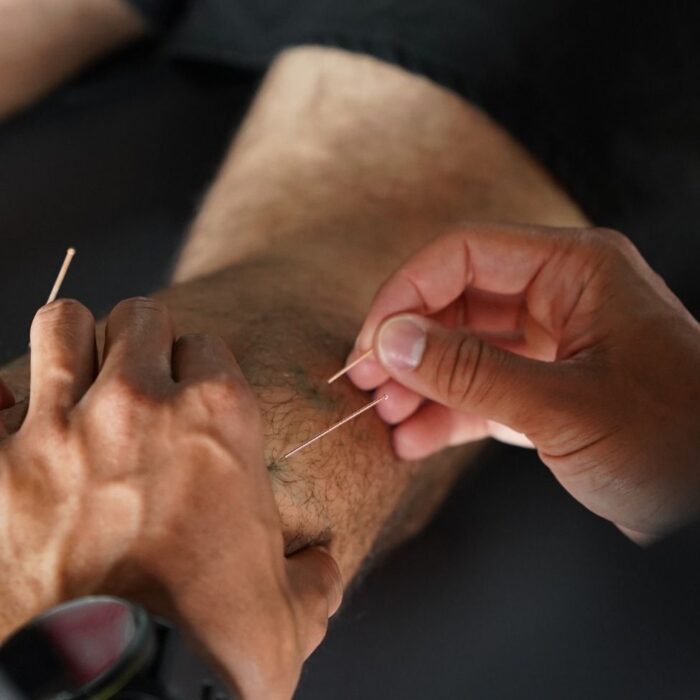
Treatment involves inserting very fine, sterile, single-use needles into specific points on the body. These points are often located near nerve, muscle, or fascial structures. The stimulation helps influence the nervous system, blood circulation, and the body’s natural regulation mechanisms.
Acupuncture is recognized for its effectiveness in managing many conditions, for both active people and everyday life.
Trigger points, also called muscle knots, are tight and sensitive areas within a muscle. They can cause local pain or referred pain felt elsewhere in the body.
For example, a point in the shoulder may cause pain in the arm or neck. When pressure is applied to this point, the usual pain is often reproduced.
In acupuncture, trigger point treatment aims to:
The needle allows targeted and effective action directly on the problem area.

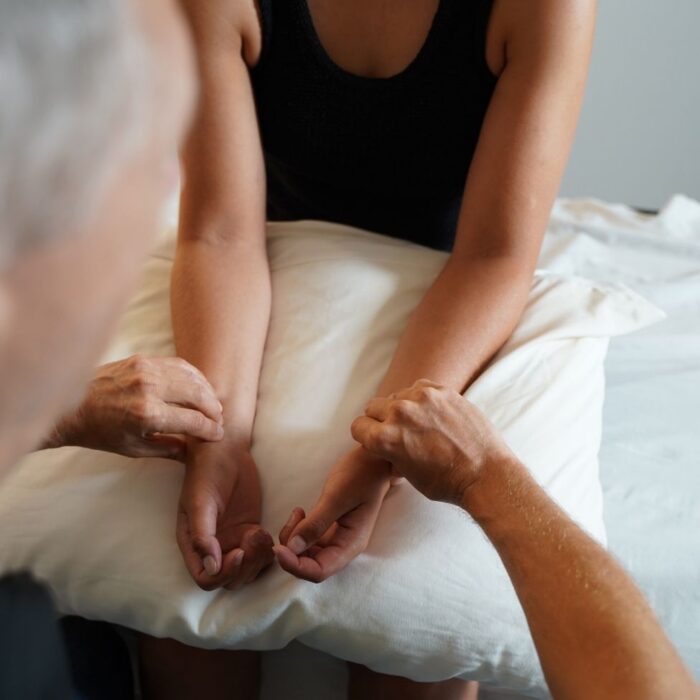
The acupuncturist takes the time to understand your condition, symptoms, health history, and goals. This step guides the selection of treatment points.
The needles are gently inserted at different depths depending on the area and treatment goal. Sensations vary from person to person and may include pressure, warmth, release, or mild tension.
The needles remain in place for several minutes to allow the stimulation to take effect. This time is often experienced as very relaxing.
At the end of the session, simple recommendations may be provided to help optimize the effects of the treatment.
Acupuncture is suitable for:
Each treatment is adapted to the person and their condition.

With an approach rooted in movement, listening, and a global understanding of the body, Maxime helps his clients achieve lasting well-being.
A former competitive soccer athlete (AAA) and collegiate champion, he draws on his experience in sport, Qi Gong, yoga, and meditation to offer care adapted to today’s realities. His approach is shaped by a personal journey with chronic pain and the search for deep balance.
Warm, rigorous, and attentive, he combines traditional acupuncture knowledge with a strong sense of body awareness. He supports patients in managing pain, digestive issues, fatigue, or anxiety, while considering both physical and emotional needs.
Acupuncture is generally well tolerated. The needles are very fine and rarely cause pain. Some people feel slight pressure, warmth, or tension at the time of insertion. These sensations are normal and fade quickly.
The number of sessions varies depending on the condition, how long it has been present, and your goals.
Some people feel relief after the first session, while others notice gradual improvement over several visits. The acupuncturist adjusts the frequency and treatment plan based on your progress.
The frequency depends on the issue being treated. In the acute phase, sessions may be closer together. For more stable conditions or prevention, visits are usually more spaced out. The goal is always to achieve lasting results.
Yes. Treatments are performed using sterile, single-use needles and follow the practice standards of the Ordre des acupuncteurs du Québec. Acupuncture is considered a safe approach when provided by a qualified professional.
Yes. Acupuncture works very well alongside physiotherapy, massage therapy, training, and other care approaches. It is often part of a global plan aimed at improving recovery, mobility, and overall comfort.
In many cases, acupuncture treatments are covered by private insurance plans. It is recommended to check the details of your coverage before your appointment.
After a session, some people feel deep release or a sense of relaxation. Others may notice mild fatigue or temporary sensitivity in the treated areas. These reactions are normal and usually fade quickly.